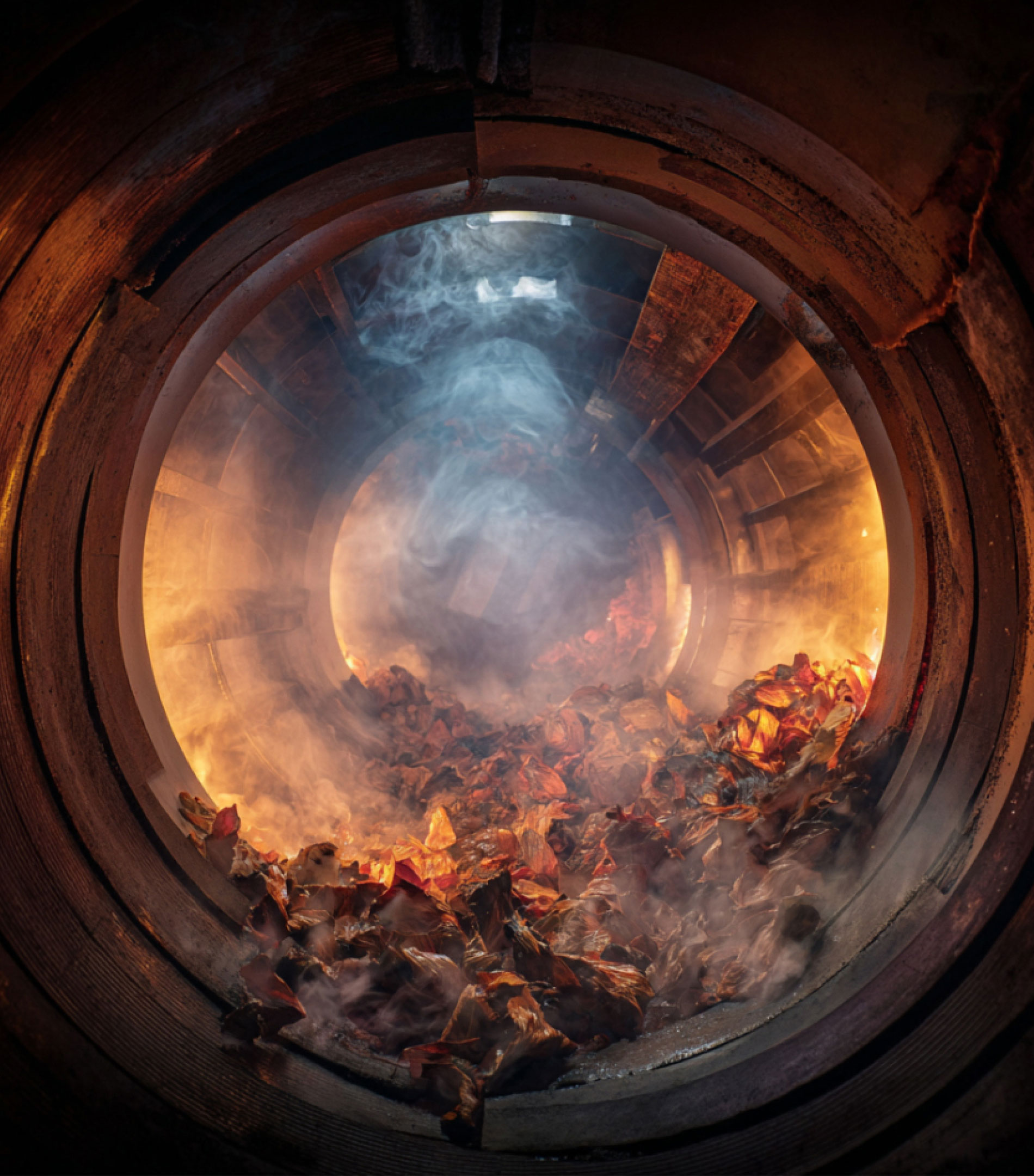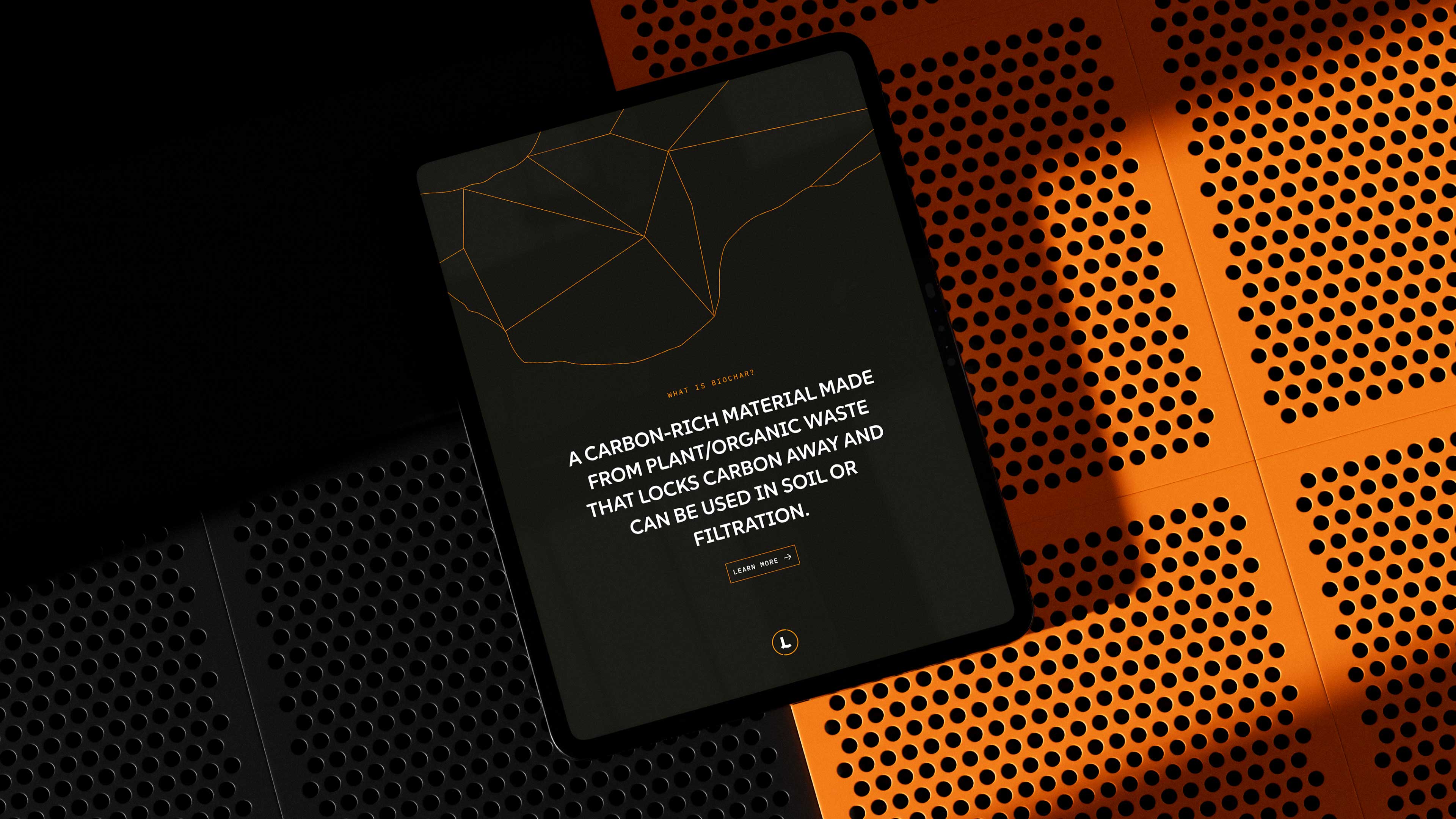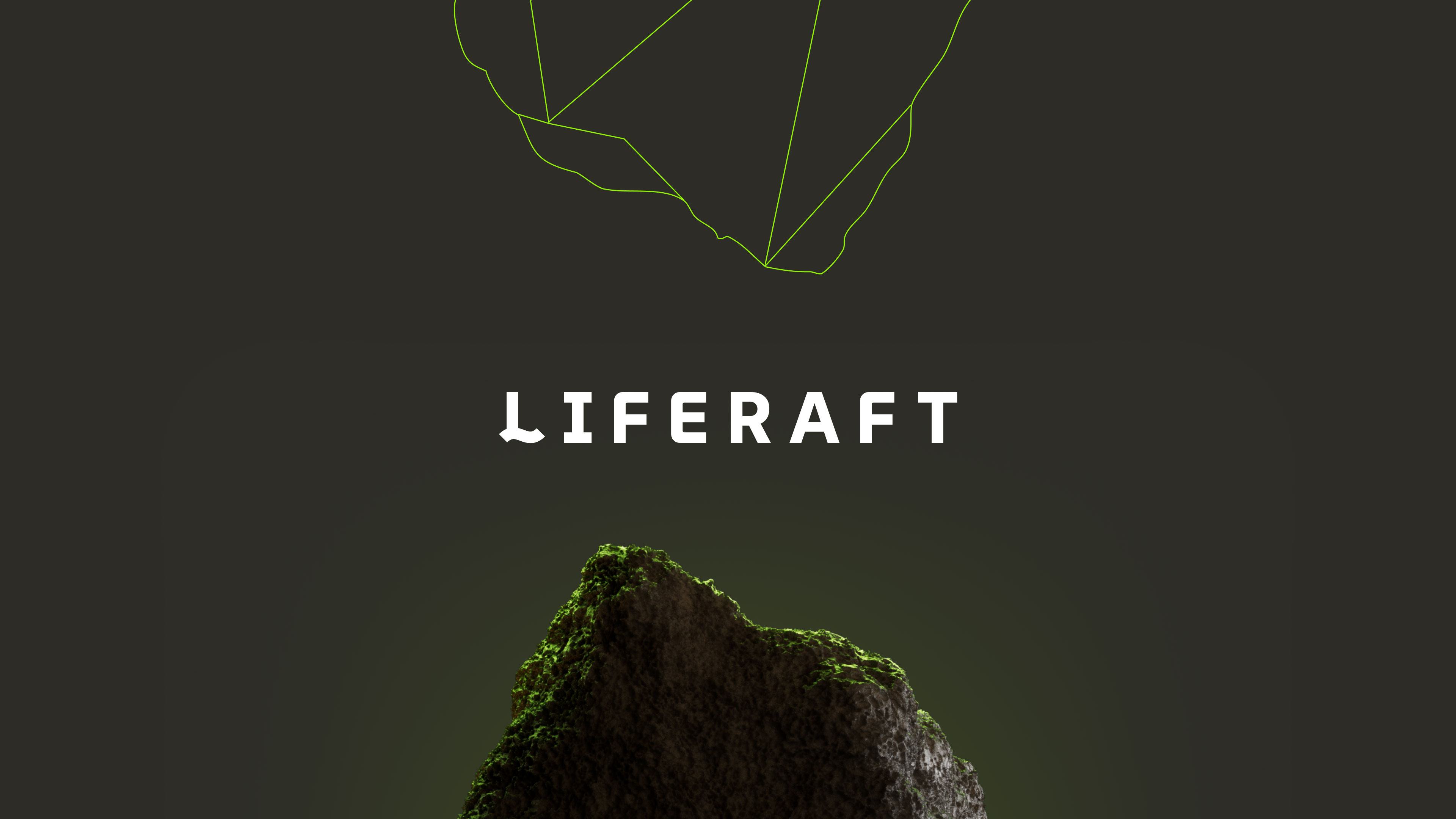
Liferaft needed to get to market quickly with a story that wasn’t easy to explain. The business works with biochar, a stable carbon-rich material made by heating waste biomass in a low-oxygen system. In simple terms, Liferaft takes biomass that would otherwise be discarded, turns it into biochar, and uses that process to lock carbon away for hundreds, if not thousands, of years. The finished product can also support healthier soils, filter water and create value for farmers and suppliers.

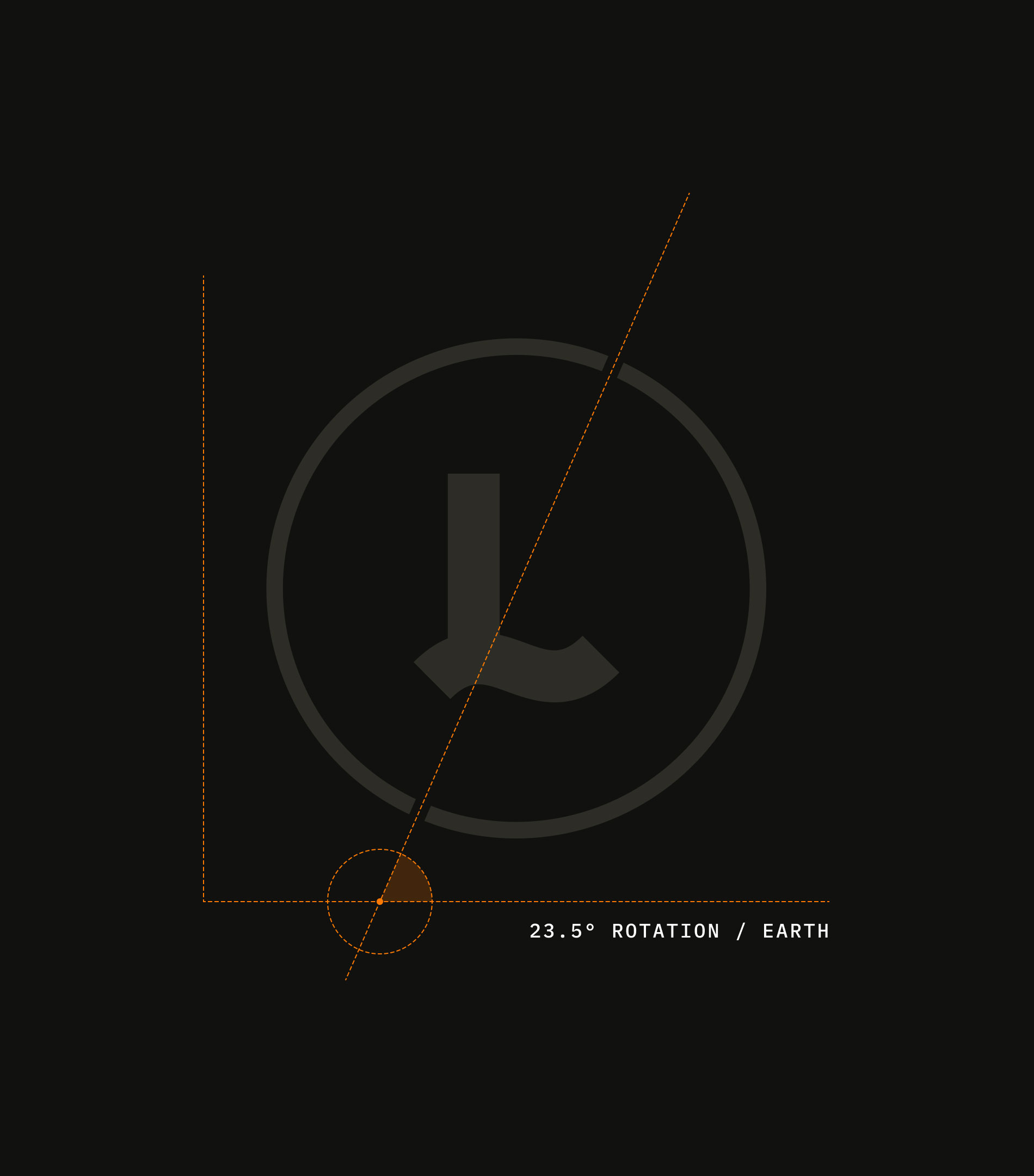
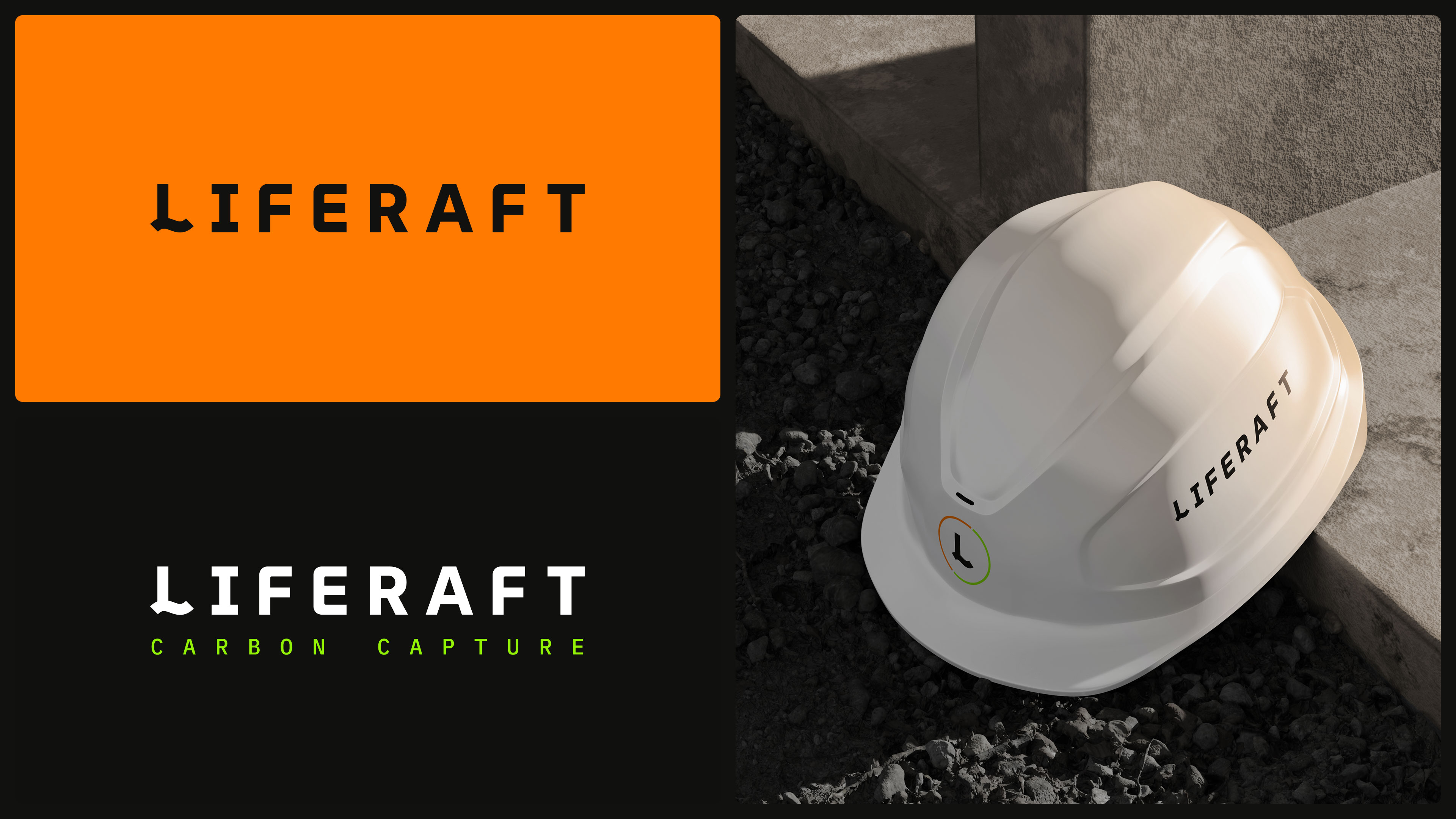
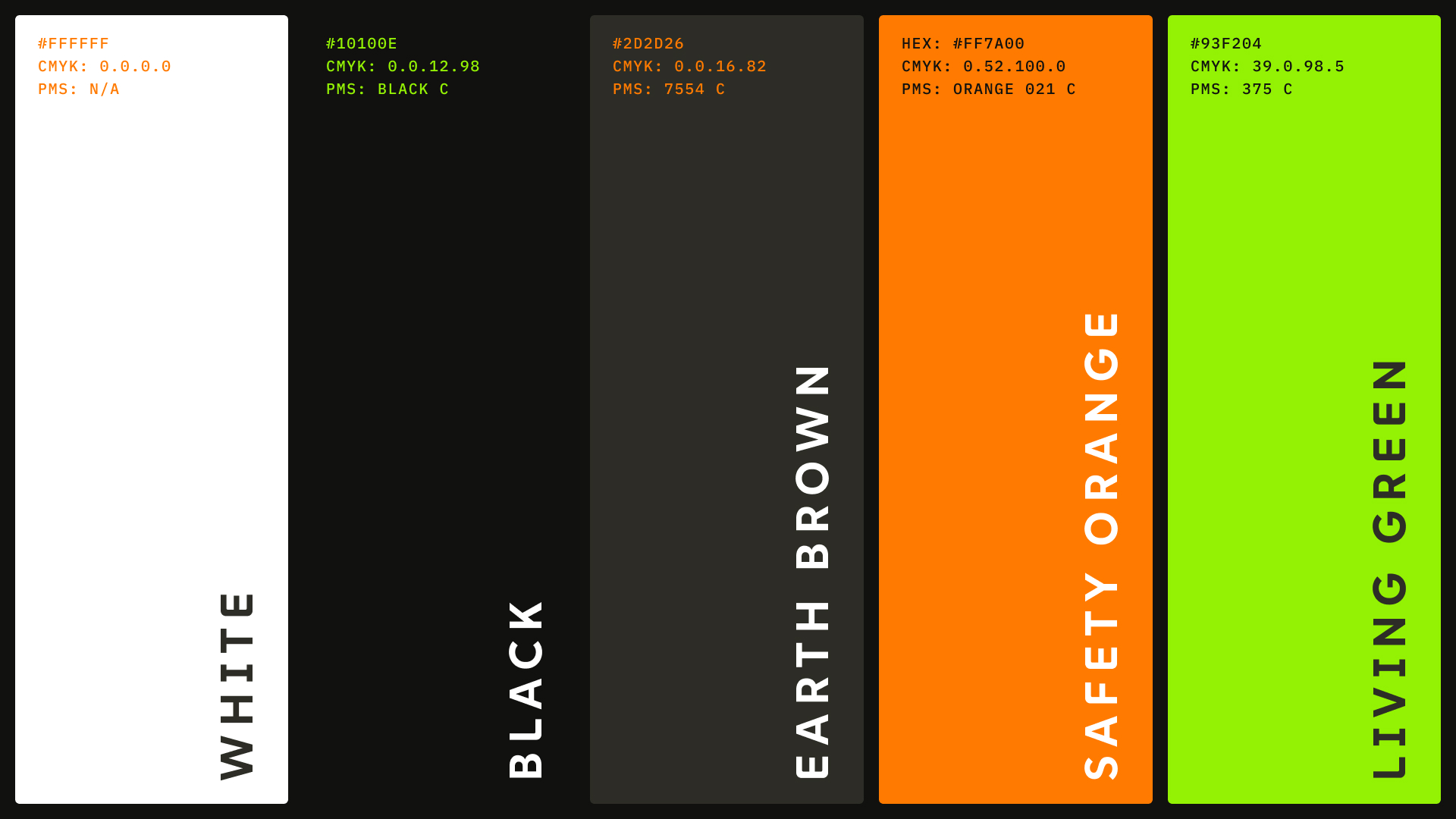
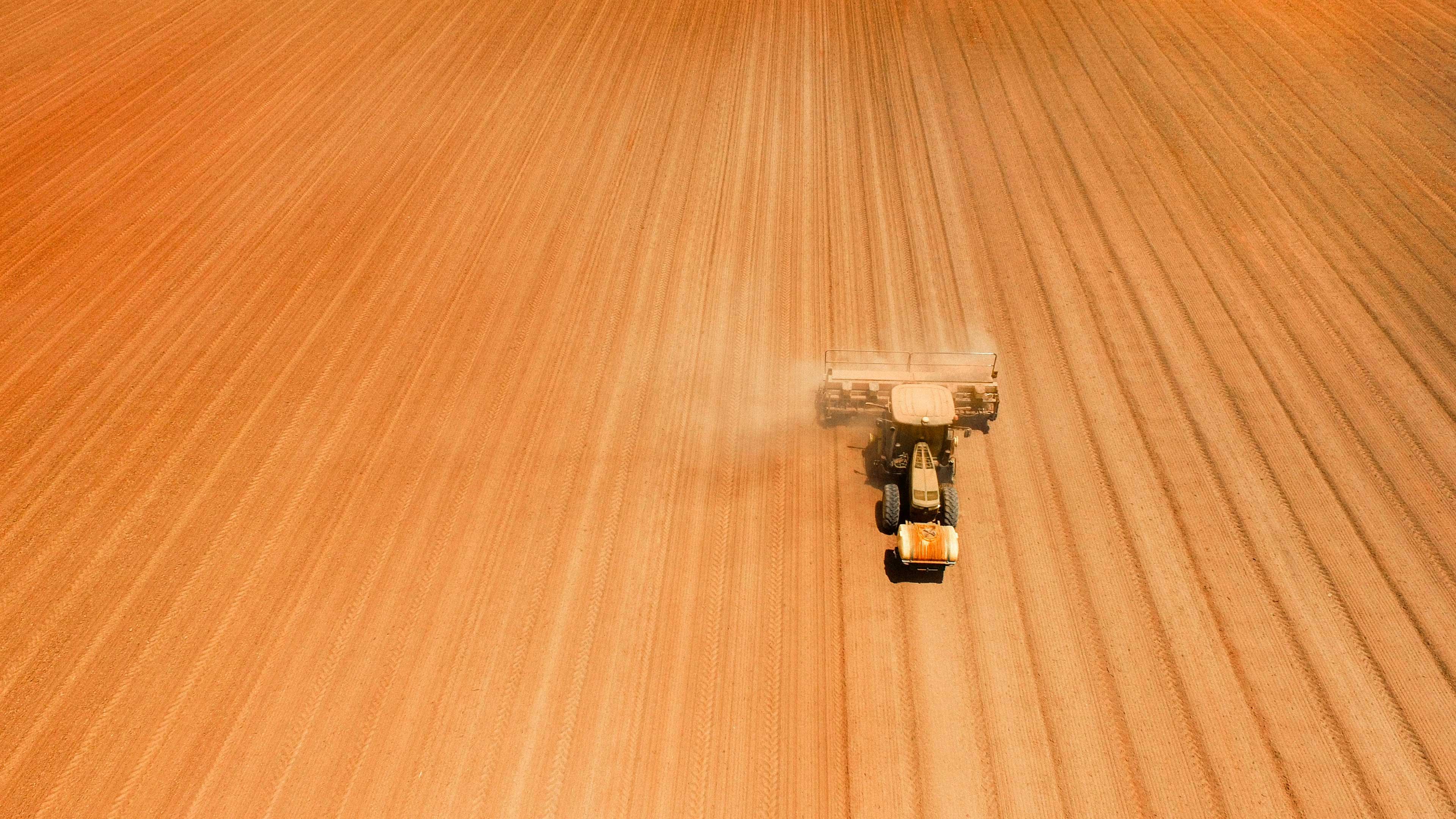
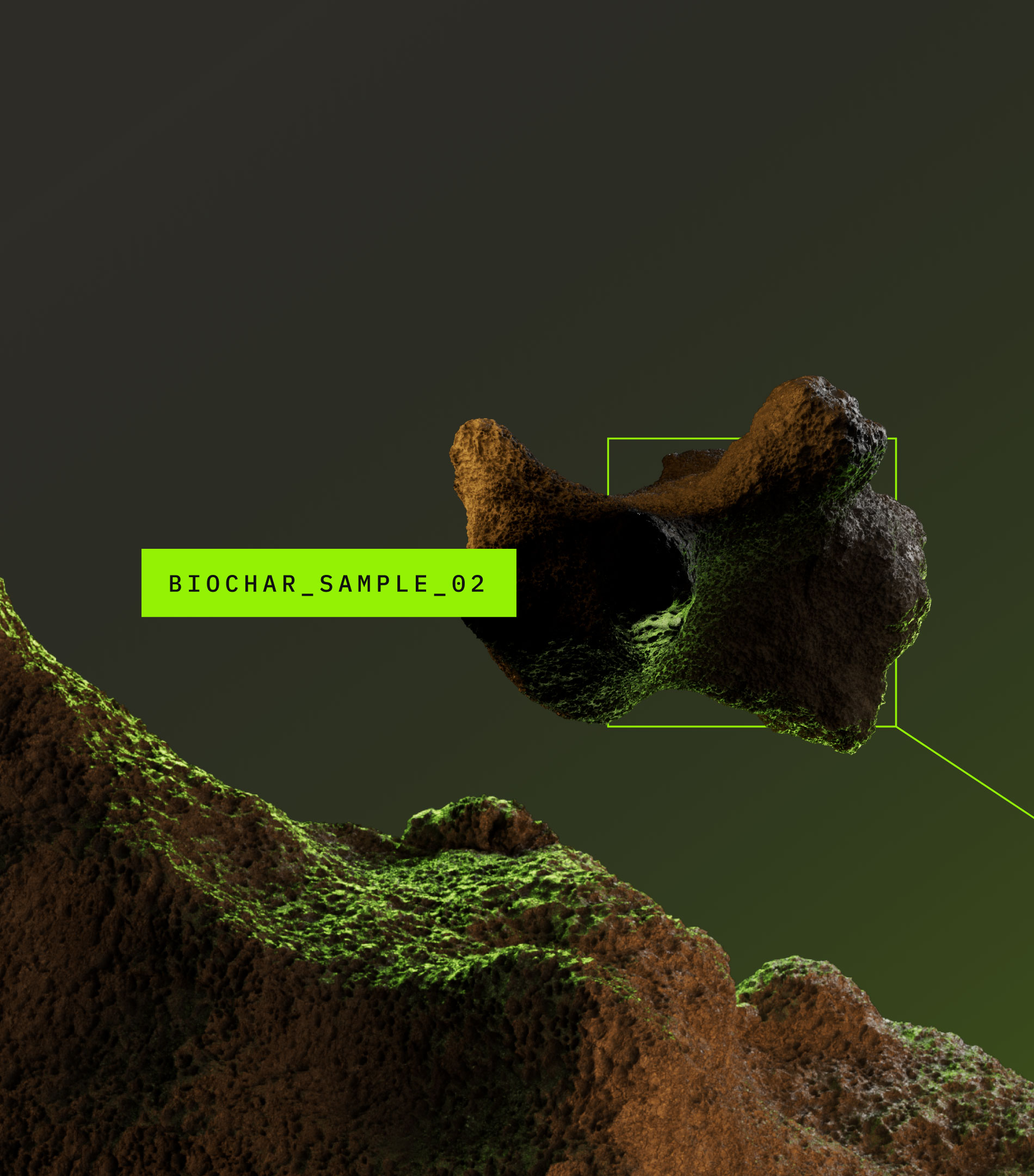
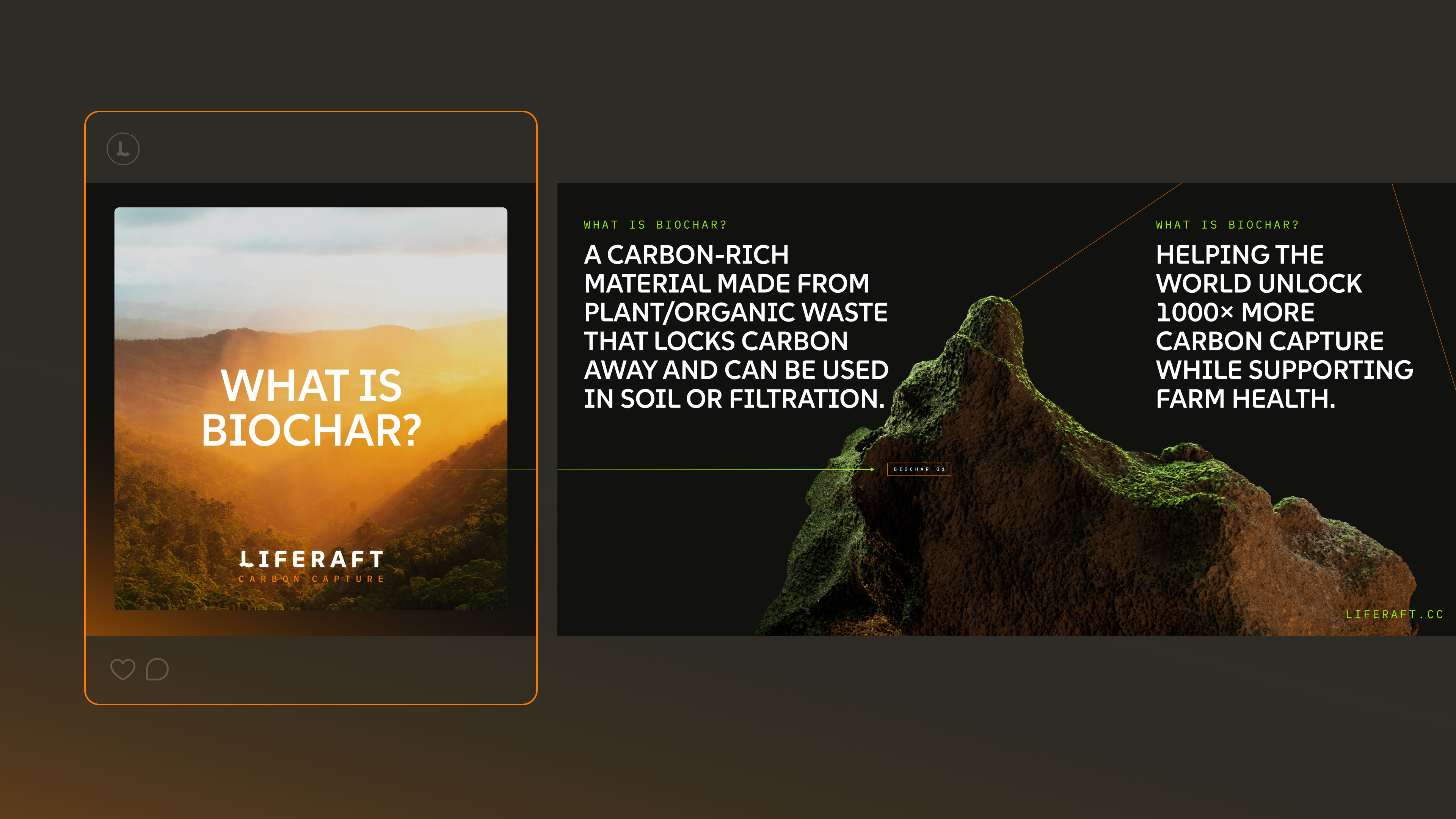
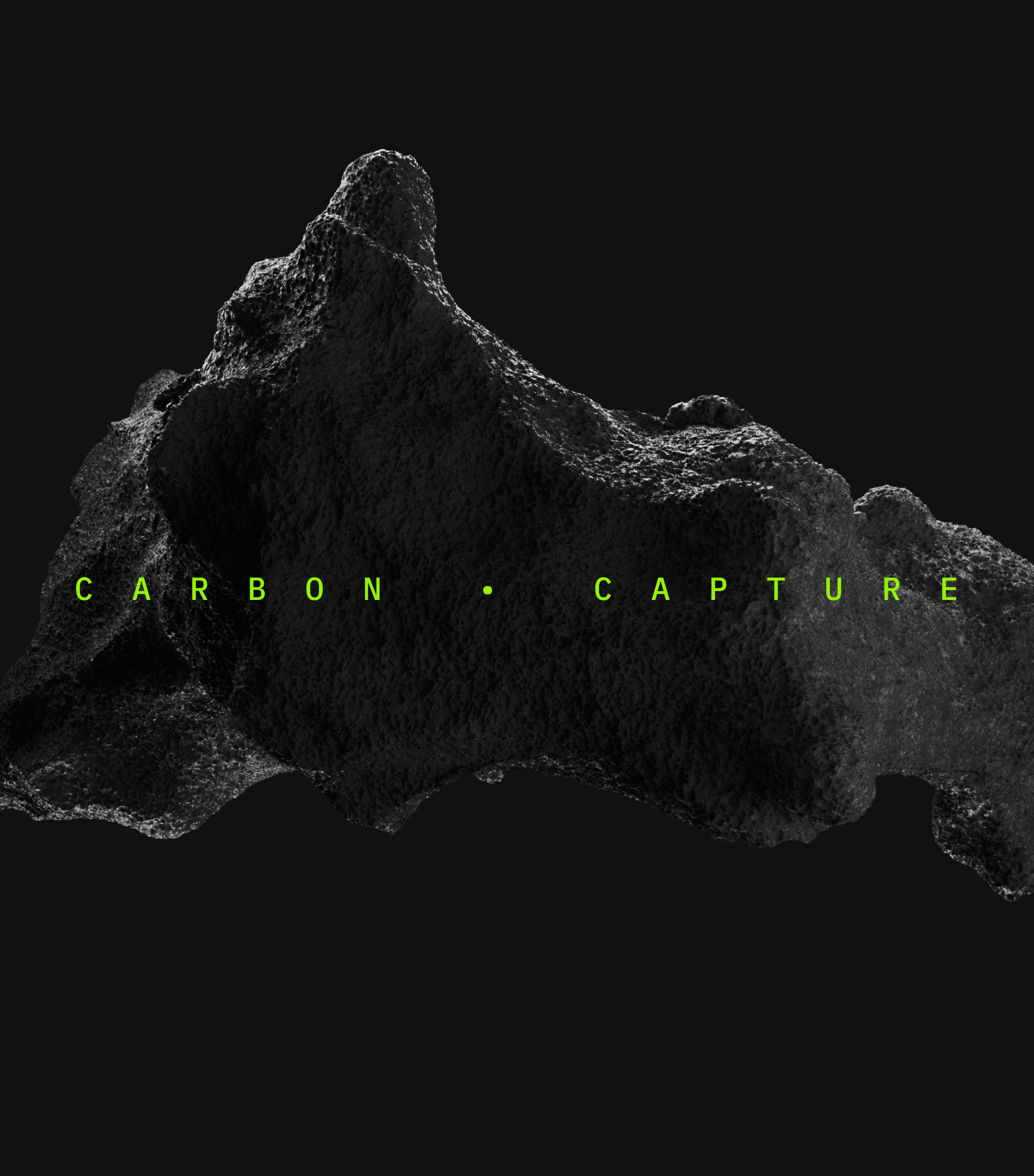
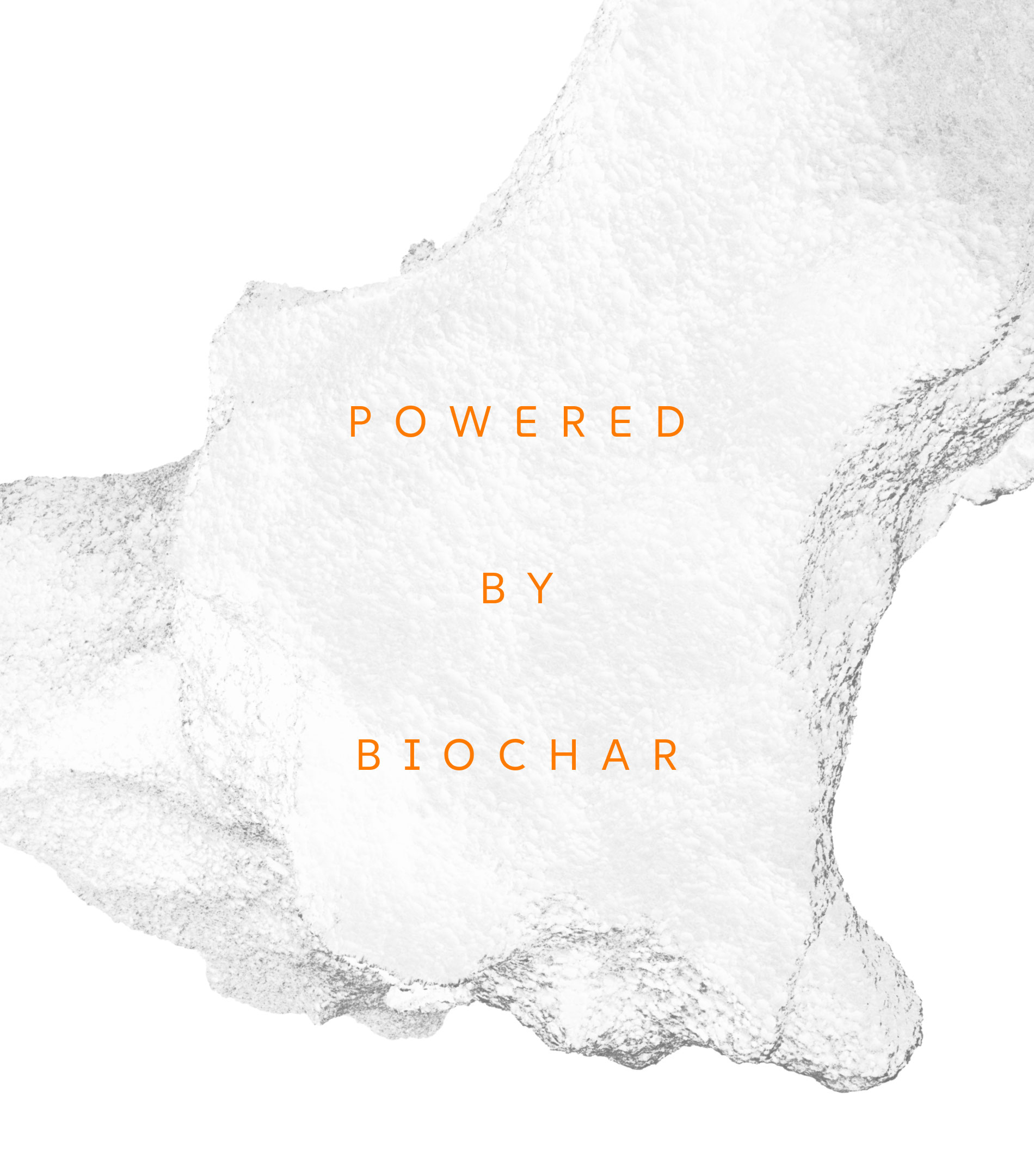
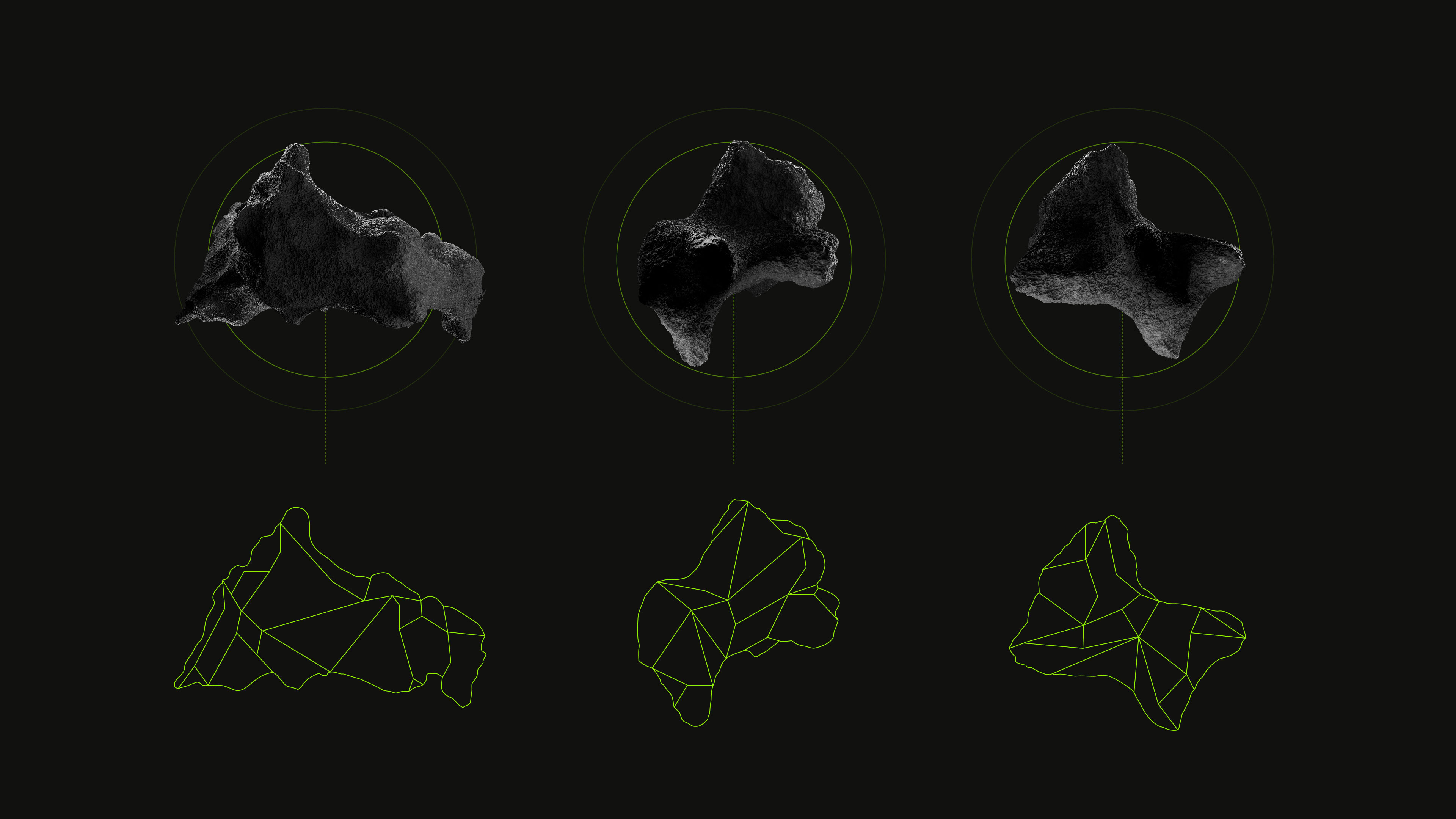
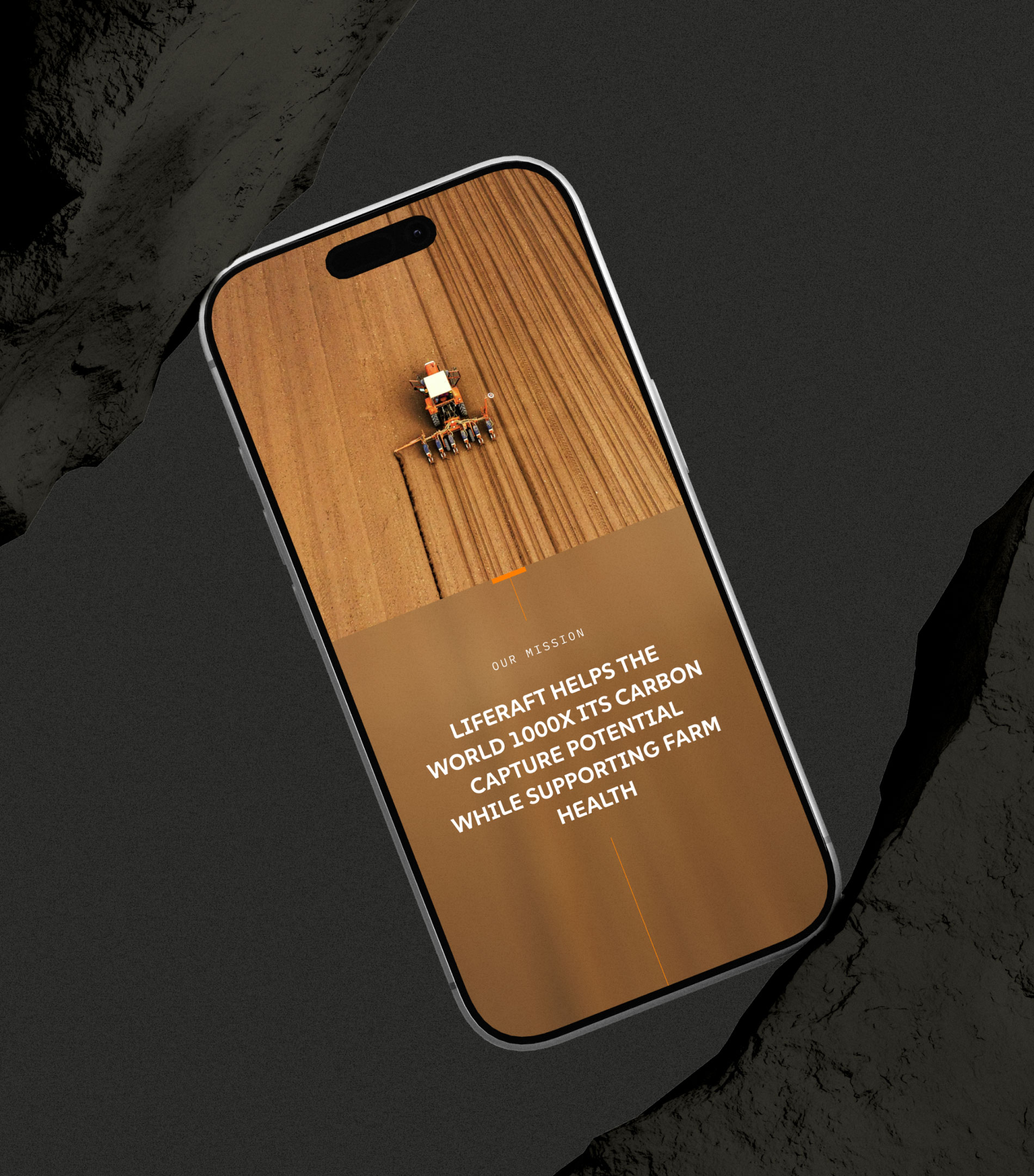
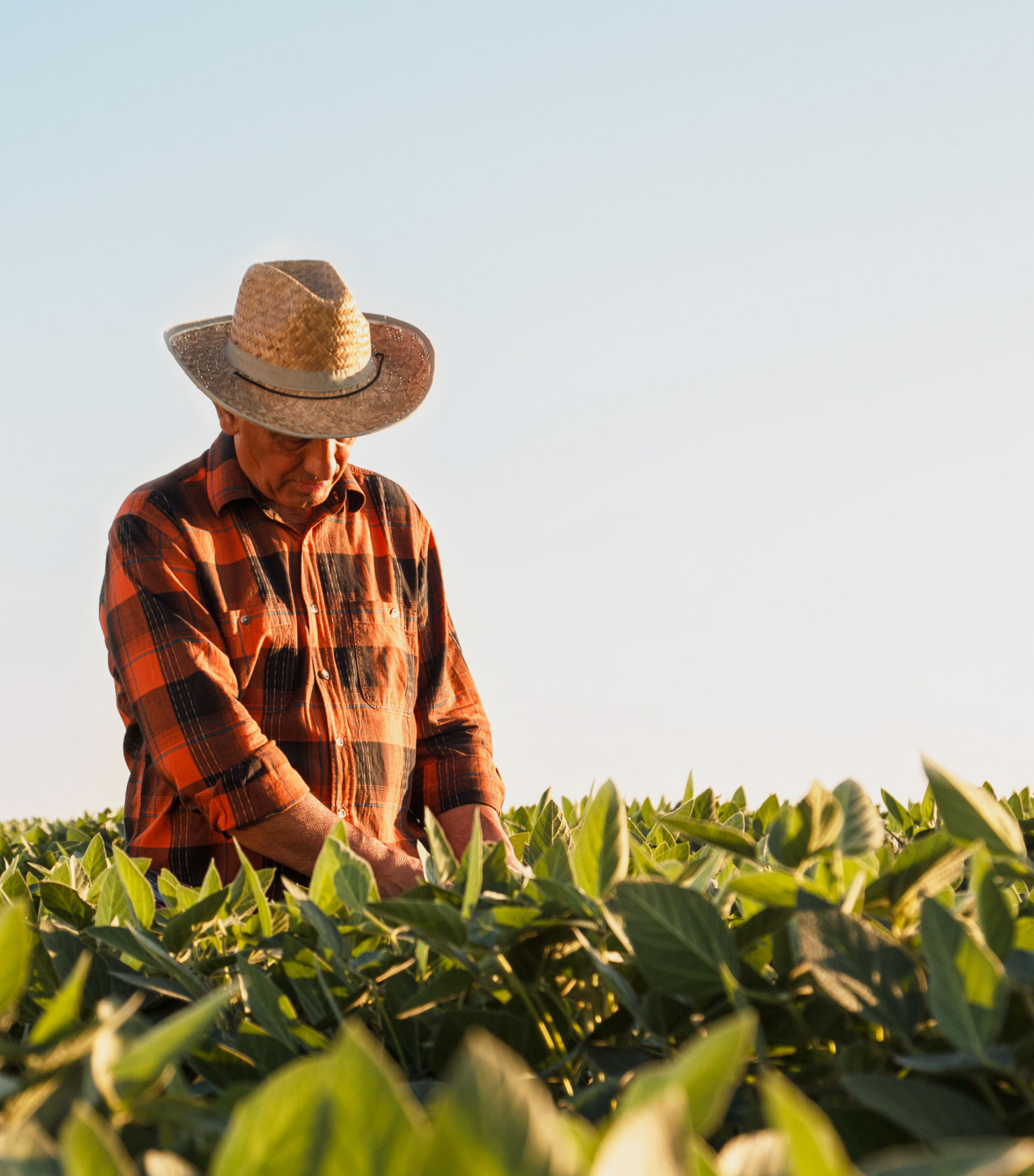
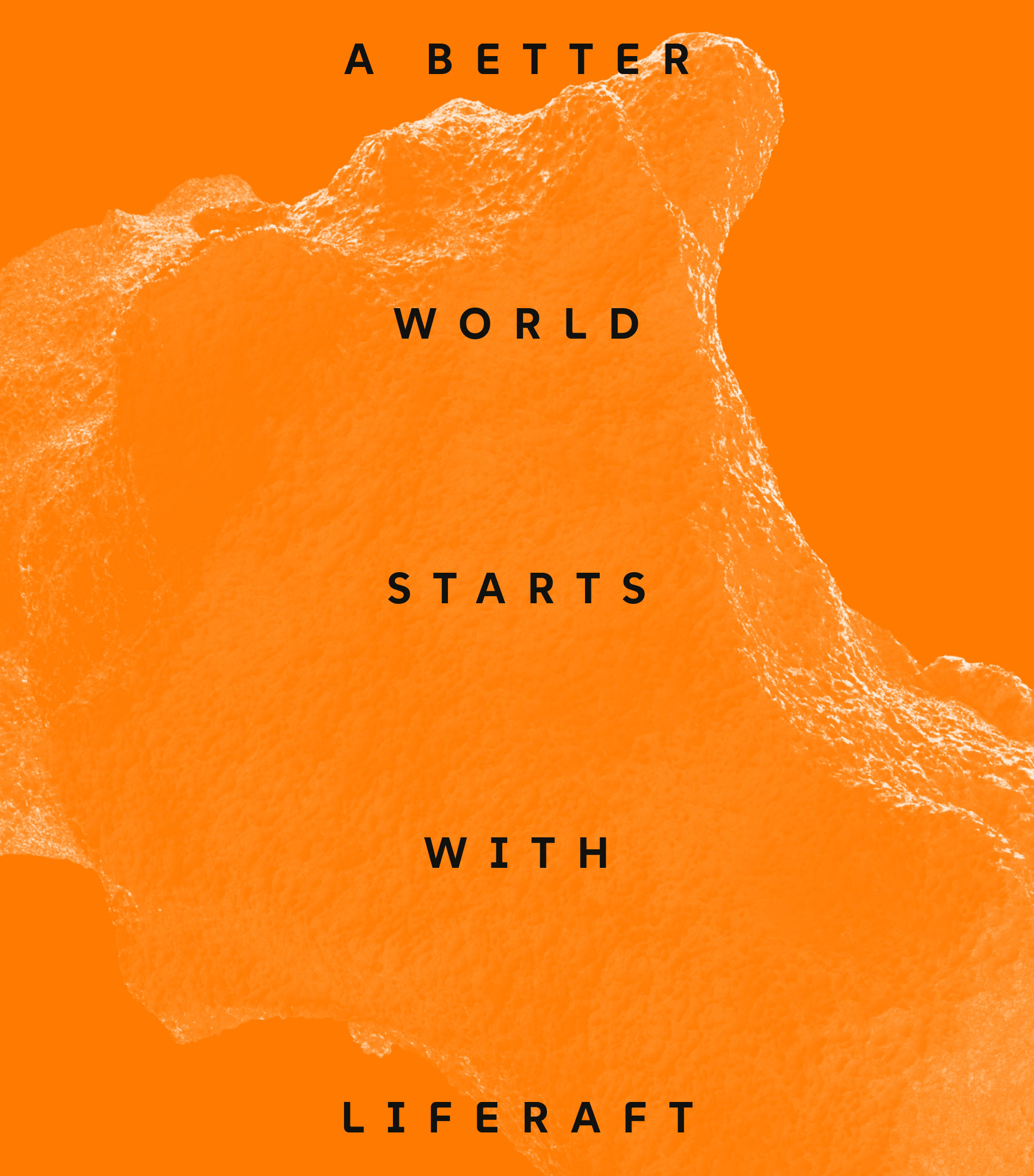
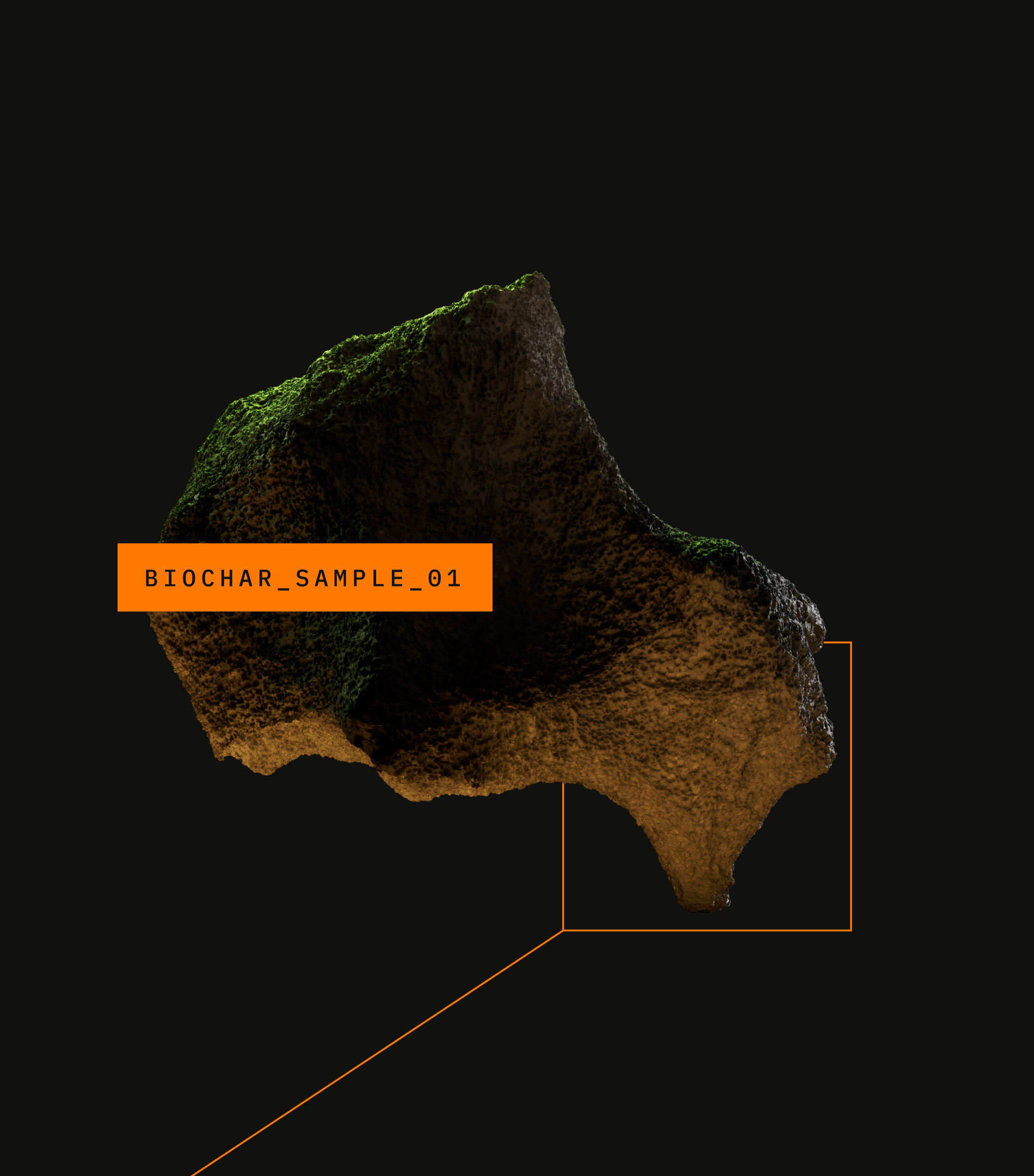
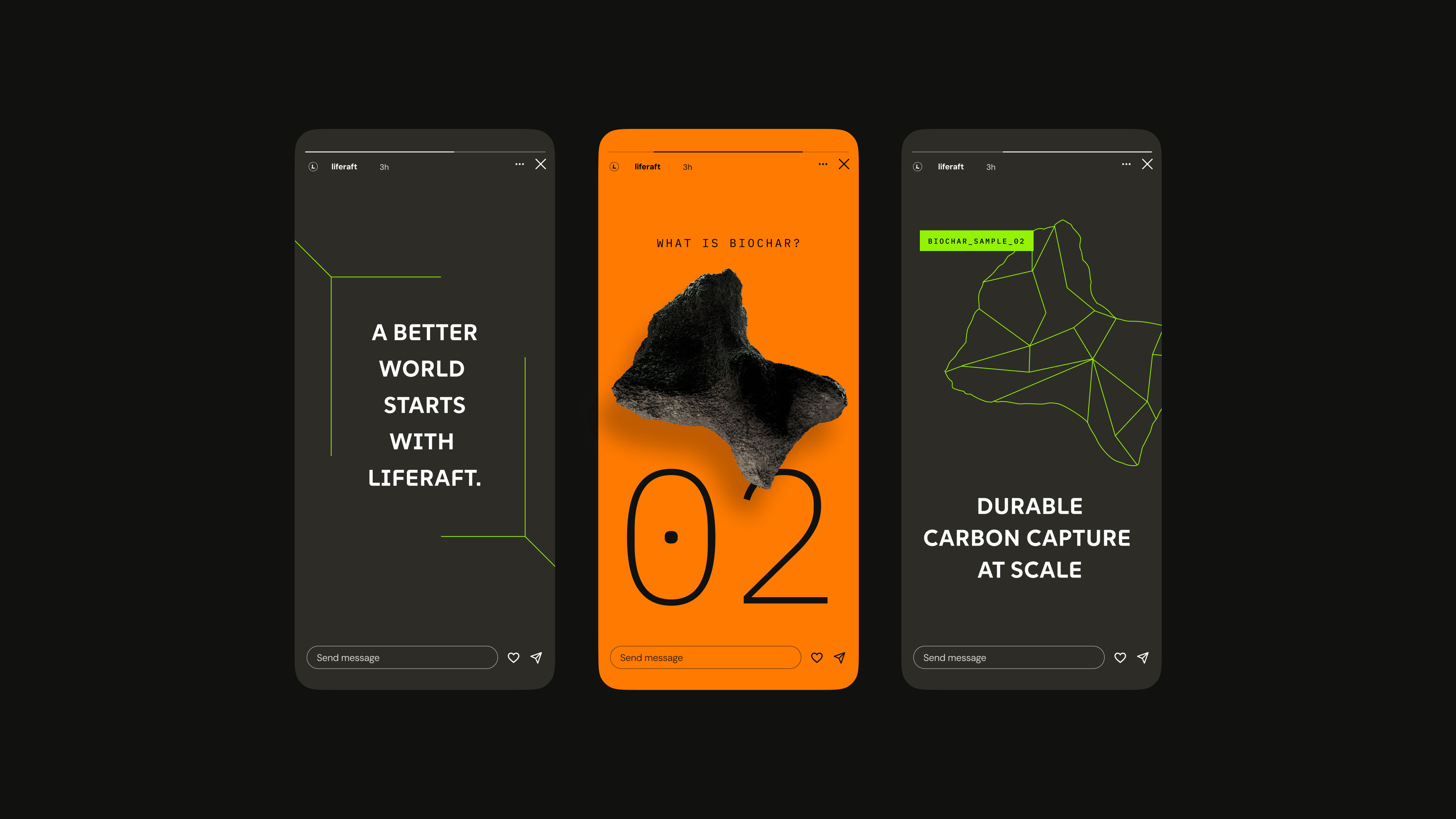
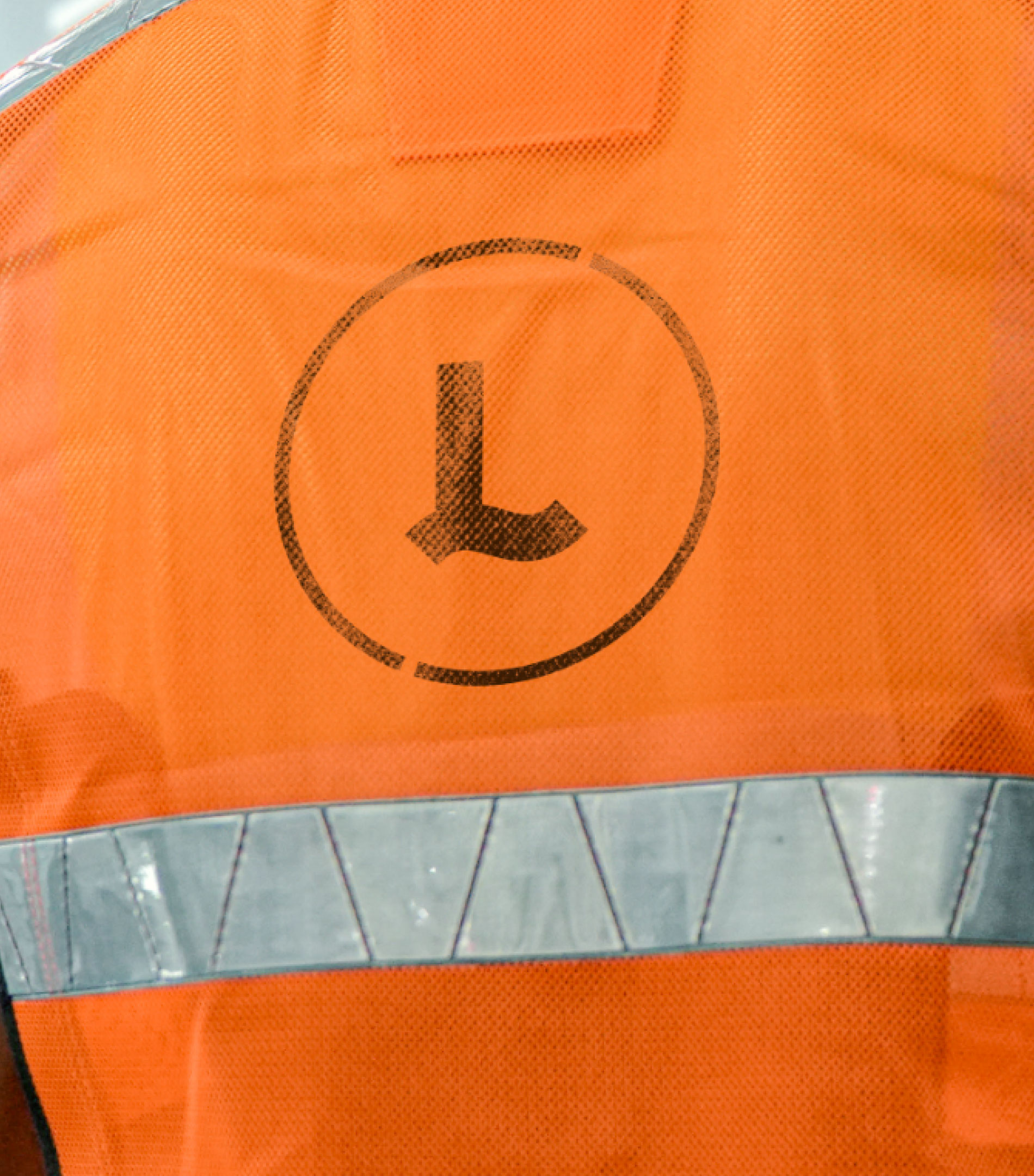
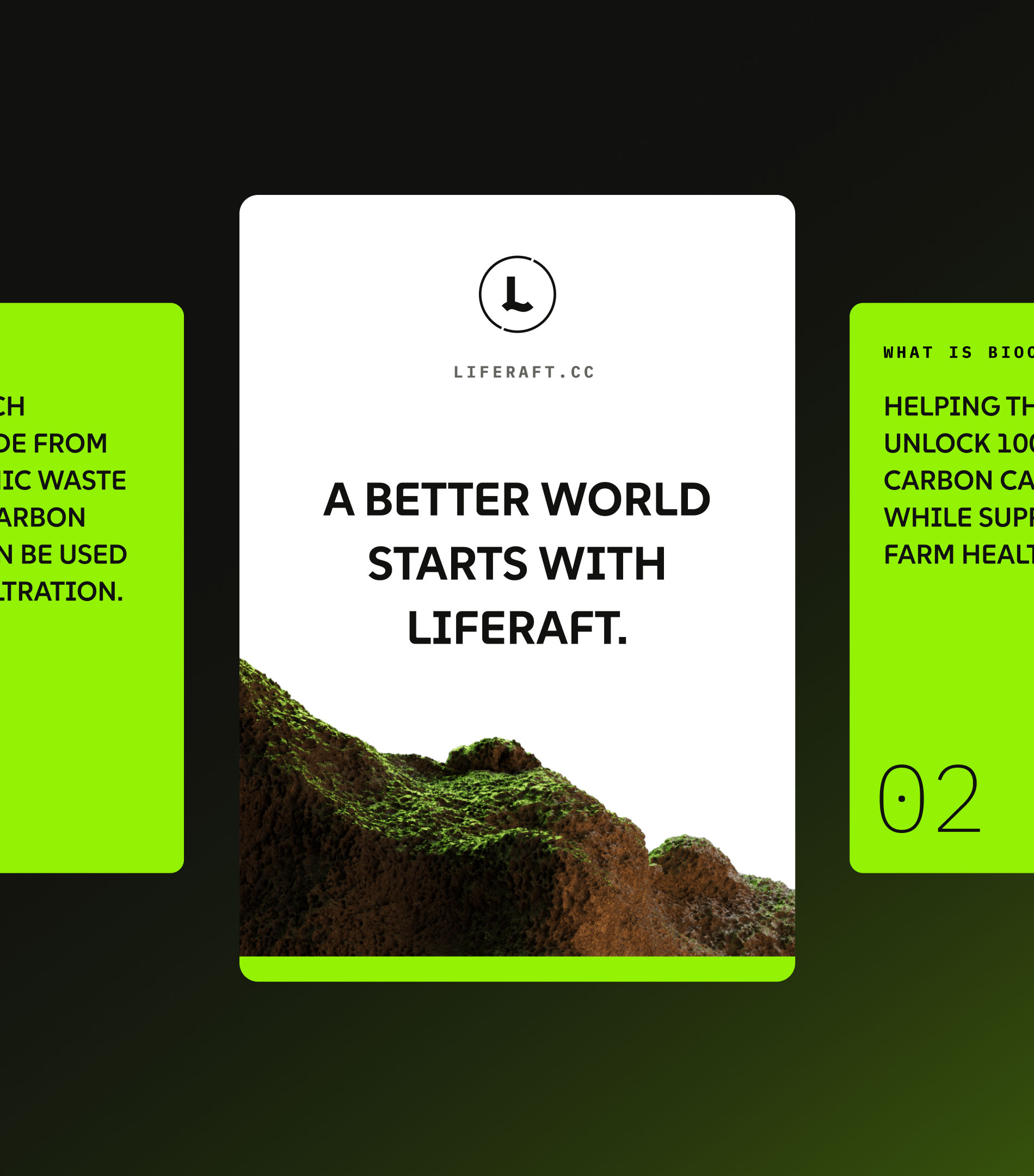
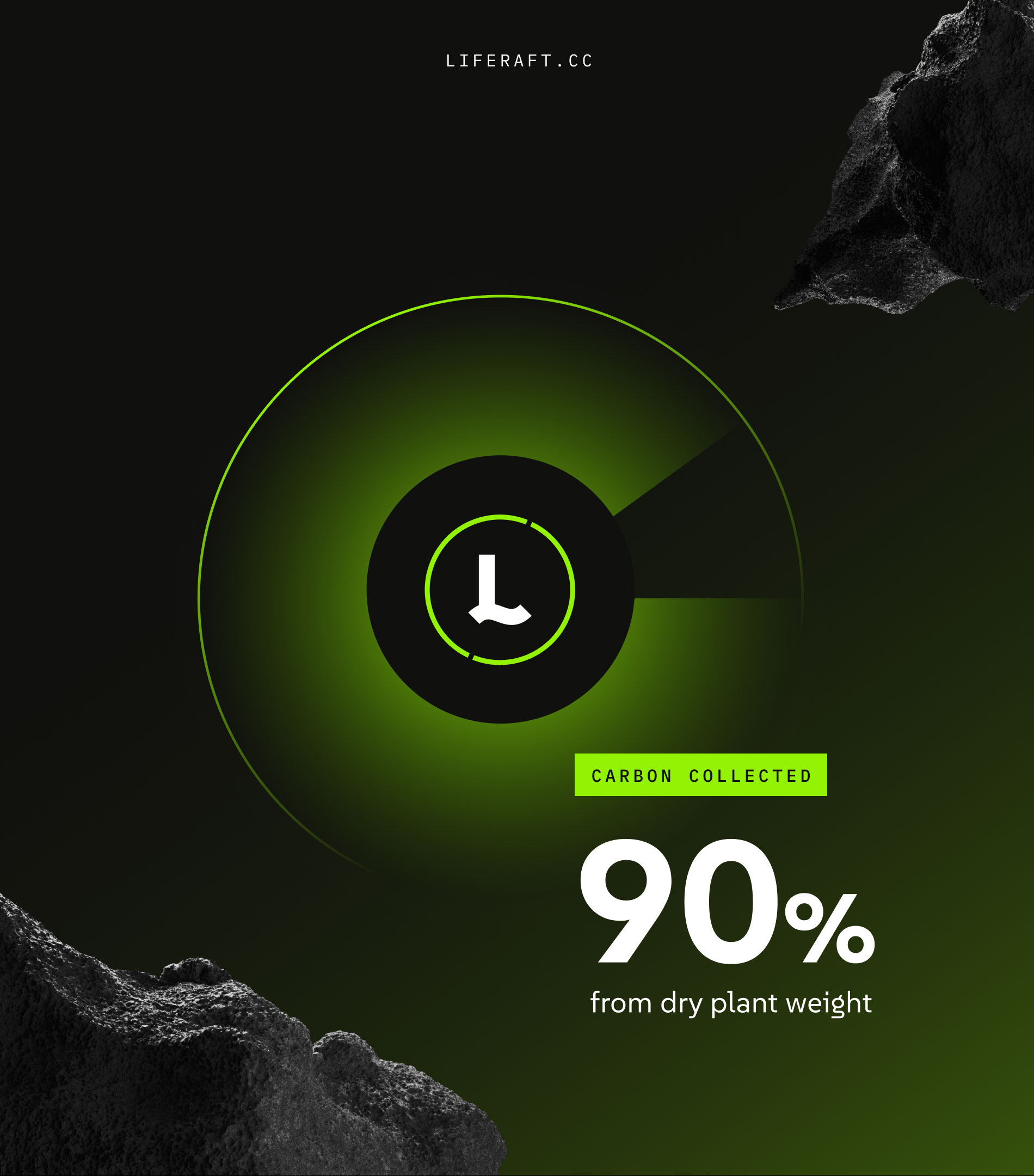
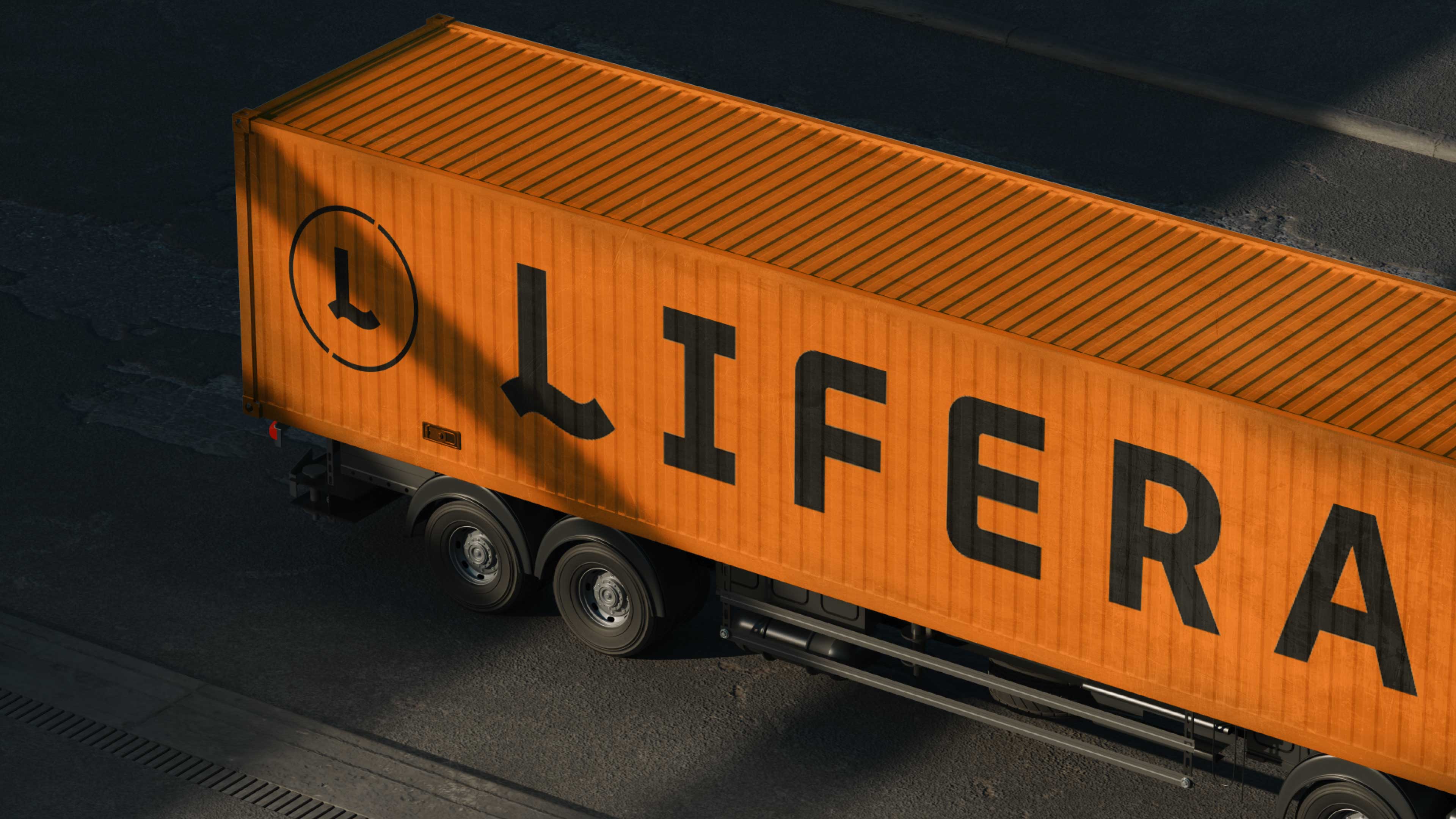
We worked through a focused brand and digital sprint, bringing strategy, design and delivery together at pace. The visual world had two sides. There was the idea of a liferaft, with its sense of protection, urgency and survival. Then there was the reality of the business: farmland, biomass, soil, carbon, materials and industrial process. We needed to hold both in the same system.So we kept the metaphor, but grounded it in the earth. The mark hints at a wave and a path forward, but avoids anything too literal. The visual language is built around close-up biochar photography, raw material textures and a palette that combines the orange of safety, the black of biochar and the green of the land. The result feels more like earth, heat, carbon and transformation than sea, rescue and flotation.The website had to do a lot of work. It needed to explain what Liferaft does, how the biochar process works, why it matters, and how different audiences can engage with the business. For buyers, the story is about durable, scalable and responsible carbon removal. For suppliers, it is about turning waste biomass into value. For partners and investors, it is about a model with real commercial and climate potential. We helped shape the digital experience around those journeys, giving the team a clear platform to launch from.To support the story further, we developed a film about the lifecycle of biochar: waste biomass, processing, carbon capture, storage, soil benefit and renewal. A never-ending loop that shows how the process works and why it matters.
Developed using the latest AI tools in less than two weeks, with no traditional production window, the film became a clear example of how fast creative delivery can now move. A project like this, with realism, process detail and visual continuity, would previously have meant months of production and a significant budget. Instead, we used a mix of creative direction, motion design and AI-assisted production to build the film quickly, shaping a complex story into something visual, simple and believable.
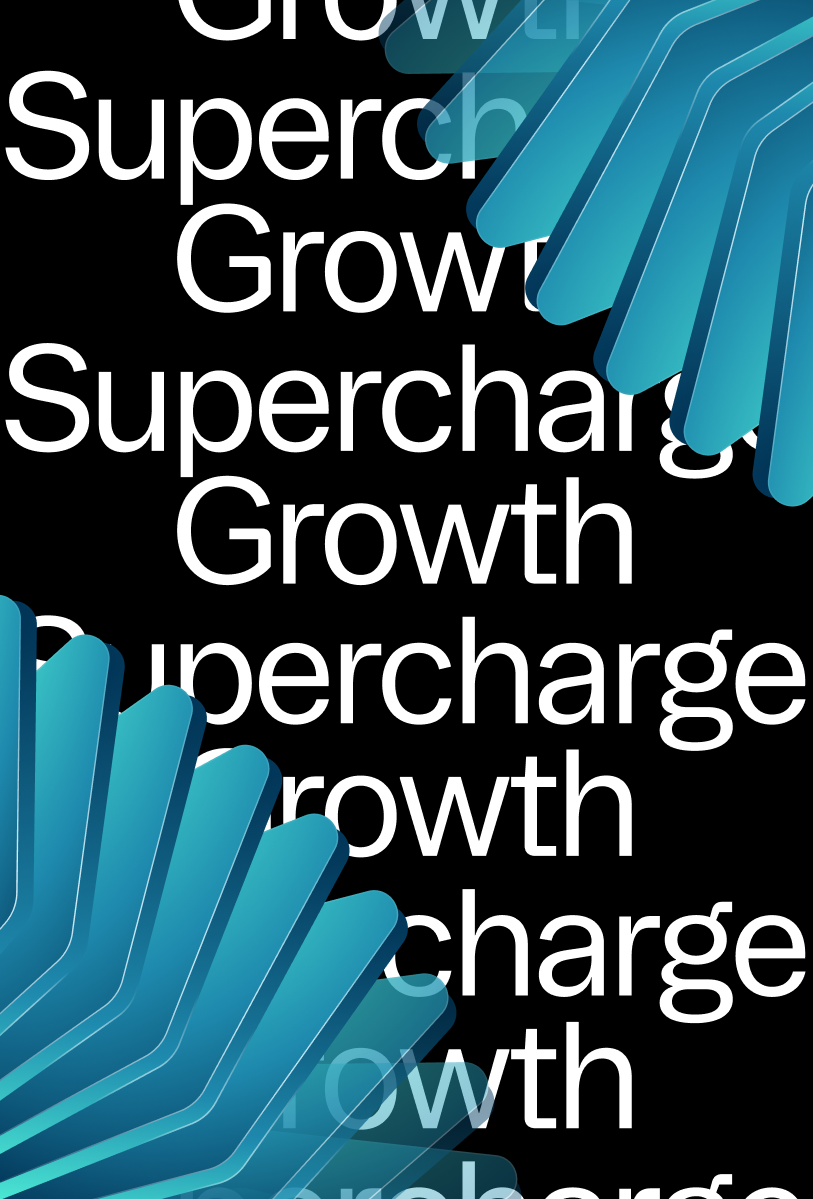
Liferaft launched with a brand, website and story that helped them get to market quickly and communicate with confidence.The work gave the team a way to explain a complex climate process to very different audiences, from carbon buyers and investors to farmers and biomass suppliers. It created a visual world that felt rooted in the materials and landscapes behind the business, while giving Liferaft the credibility and momentum to show up in a fast-moving climate category.Since launch, Liferaft has continued to build significant traction. In 2026, the company finalised a 10-year offtake agreement to supply Microsoft with one million high-quality carbon removal units, facilitated by Supercritical. The units will be delivered through large-scale biochar facilities in the US Midwest, including Iowa and Illinois.For us, Liferaft shows what focused creative delivery can do. Strategy, brand, website and film, all built to help an ambitious climate business move fast, explain something difficult and create the right kind of impact. A brilliant project, and an inspiring founder to collaborate with from start to finish.
Positioning / Visual identity / Brand systems / Art direction / Photography / Motion / 3D / Digital design / UI/UX design / Brand activation / Guidelines + toolkits
Lee Fairbrother
Joao Pinedo
Jacob Norton
Andy Norman
Ale Mariotti
Positioning / Visual identity / Brand systems / Art direction / Photography / Motion / 3D / Digital design / UI/UX design / Brand activation / Guidelines + toolkits
Lee Fairbrother
Joao Pinedo
Jacob Norton
Andy Norman
Ale Mariotti
Liferaft needed to get to market quickly with a story that wasn’t easy to explain. The business works with biochar, a stable carbon-rich material made by heating waste biomass in a low-oxygen system. In simple terms, Liferaft takes biomass that would otherwise be discarded, turns it into biochar, and uses that process to lock carbon away for hundreds, if not thousands, of years. The finished product can also support healthier soils, filter water and create value for farmers and suppliers.

We worked through a focused brand and digital sprint, bringing strategy, design and delivery together at pace. The visual world had two sides. There was the idea of a liferaft, with its sense of protection, urgency and survival. Then there was the reality of the business: farmland, biomass, soil, carbon, materials and industrial process. We needed to hold both in the same system.So we kept the metaphor, but grounded it in the earth. The mark hints at a wave and a path forward, but avoids anything too literal. The visual language is built around close-up biochar photography, raw material textures and a palette that combines the orange of safety, the black of biochar and the green of the land. The result feels more like earth, heat, carbon and transformation than sea, rescue and flotation.The website had to do a lot of work. It needed to explain what Liferaft does, how the biochar process works, why it matters, and how different audiences can engage with the business. For buyers, the story is about durable, scalable and responsible carbon removal. For suppliers, it is about turning waste biomass into value. For partners and investors, it is about a model with real commercial and climate potential. We helped shape the digital experience around those journeys, giving the team a clear platform to launch from.To support the story further, we developed a film about the lifecycle of biochar: waste biomass, processing, carbon capture, storage, soil benefit and renewal. A never-ending loop that shows how the process works and why it matters.
Developed using the latest AI tools in less than two weeks, with no traditional production window, the film became a clear example of how fast creative delivery can now move. A project like this, with realism, process detail and visual continuity, would previously have meant months of production and a significant budget. Instead, we used a mix of creative direction, motion design and AI-assisted production to build the film quickly, shaping a complex story into something visual, simple and believable.
Liferaft launched with a brand, website and story that helped them get to market quickly and communicate with confidence.The work gave the team a way to explain a complex climate process to very different audiences, from carbon buyers and investors to farmers and biomass suppliers. It created a visual world that felt rooted in the materials and landscapes behind the business, while giving Liferaft the credibility and momentum to show up in a fast-moving climate category.Since launch, Liferaft has continued to build significant traction. In 2026, the company finalised a 10-year offtake agreement to supply Microsoft with one million high-quality carbon removal units, facilitated by Supercritical. The units will be delivered through large-scale biochar facilities in the US Midwest, including Iowa and Illinois.For us, Liferaft shows what focused creative delivery can do. Strategy, brand, website and film, all built to help an ambitious climate business move fast, explain something difficult and create the right kind of impact. A brilliant project, and an inspiring founder to collaborate with from start to finish.




Imperial
Mindflick
Modulr
Reed.co.uk
Salary Finance
Scale Space
Focaldata
Blenheim Chalcot
Yapily
Founders Factory
Mantle
Allica Bank
Calyx
Rajasthan Royals
London, UK
Oxfordshire, UK
0000, For Different Ltd
00/00/0000 — 00:00:00 London ABC
Based in the United Kingdom
Operating Globally